Property prices on the Baltic coast have risen significantly over the past ten years. Particularly popular regions such as Rügen, Fischland-Darß-Zingst, and Heiligendamm have shown partly different developments. On Rügen, property prices have risen continuously.


Property prices on the Baltic coast have risen significantly in the last ten years. Particularly popular regions such as Rügen, Fischland-Darß-Zingst, and Heiligendamm have shown sometimes differing developments. On Rügen, property prices have risen continuously. From 2012 to 2022, there was a significant price increase, especially for holiday properties, which are considered attractive investment objects. The price per square metre for owner-occupied flats more than doubled during this period. Fischland-Darß-Zingst, also a highly sought-after region, also recorded strong price increases. The prices for detached houses rose continuously until 2022, with a slight correction in 2023. Nevertheless, property prices remain at a high level.
A holiday property on the Baltic Sea can prove to be a worthwhile investment, but there are various factors and current trends that should be taken into account. Current trends show stable price developments. This tendency could continue, as the demand for holiday properties in attractive locations remains high. Holiday properties on the Baltic Sea continue to be in high demand, both from private buyers and investors. The region's popularity as a holiday destination contributes to the consistently high demand. This is supported by good accessibility by car or train and the scenic beauty of the Baltic coast.
Discover this selection of promising Baltic Sea investment properties:
Quality of life in the Baltic Sea region
The Baltic Sea region offers a particularly high quality of life due to its natural beauty, pleasant climate, good health and leisure opportunities, and relaxed way of life.
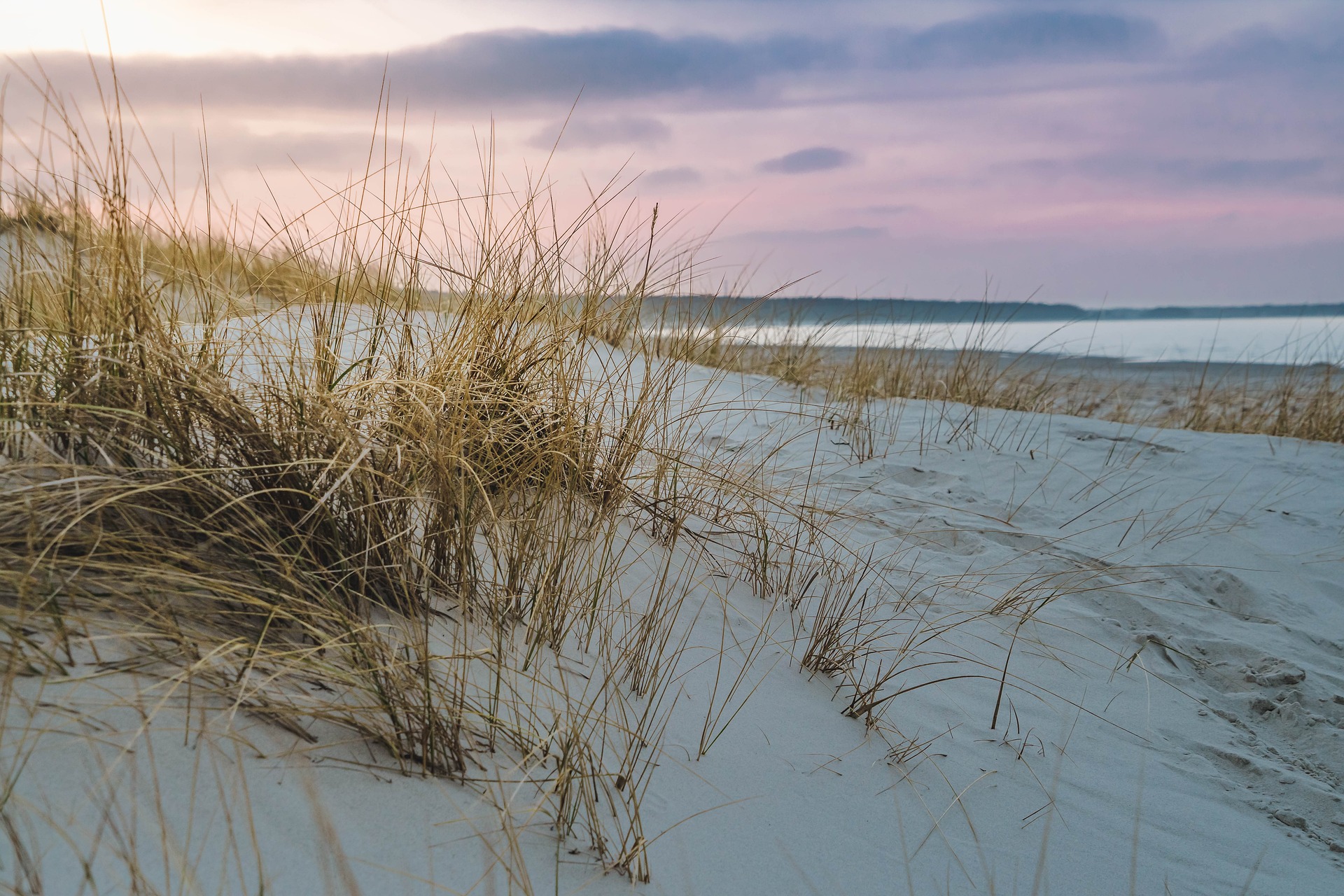
These include the numerous beautiful beaches and seaside resorts, suitable for both relaxation and various water sports, as well as the many protected areas with abundant flora and fauna, ideal for nature lovers and outdoor activities such as hiking and cycling.

The climate on the Baltic Sea coast is temperate and maritime, meaning summers are generally pleasantly warm and winters are mild. The fresh sea air is often perceived as beneficial to health. Numerous health resorts and wellness facilities therefore make use of the natural conditions, such as the mild, stimulating climate and the healing properties of the seawater, for health and relaxation programmes.
Good transport links, both for private and public transport, make the region easily accessible. The tourism infrastructure is also well-developed, and there is a wide variety of leisure activities, from cultural events such as concerts and theatre performances, to museums and historic sites, as well as sporting activities.
Conclusion: The pace of life on the Baltic Coast is often more relaxed and less hectic than in big cities, which contributes to a higher quality of life and satisfaction among residents.

The trend towards greater sustainability and environmental protection in house building is undeniable. Timber houses...

When it comes to buying property in Göhren on Rügen, expectations are high...

Lykland on Rügen is a place where serenity, contentment, and fulfillment are at home. Where...
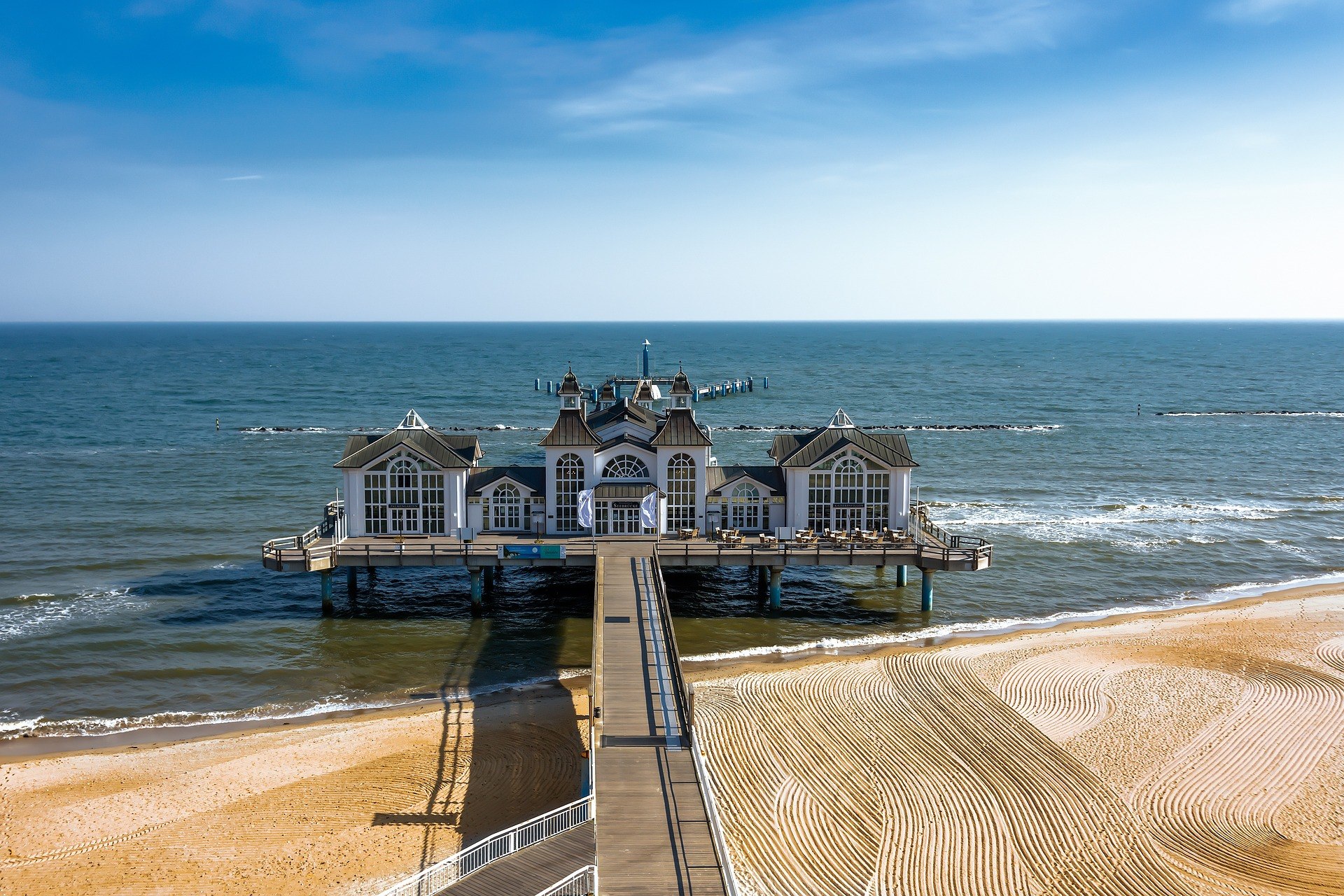
Rügen, Germany's largest island, offers a variety of fascinating experiences and...