 by
by 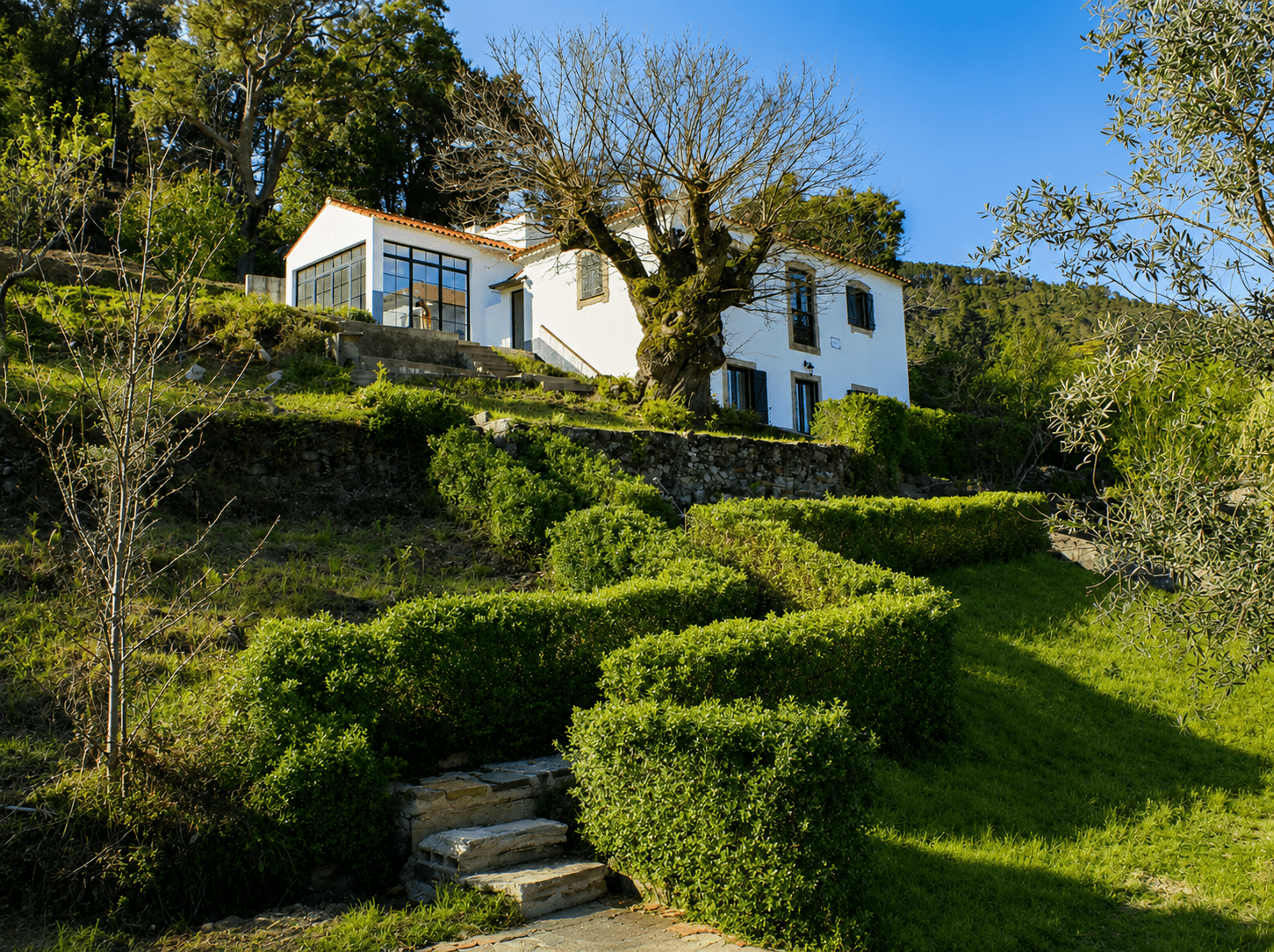
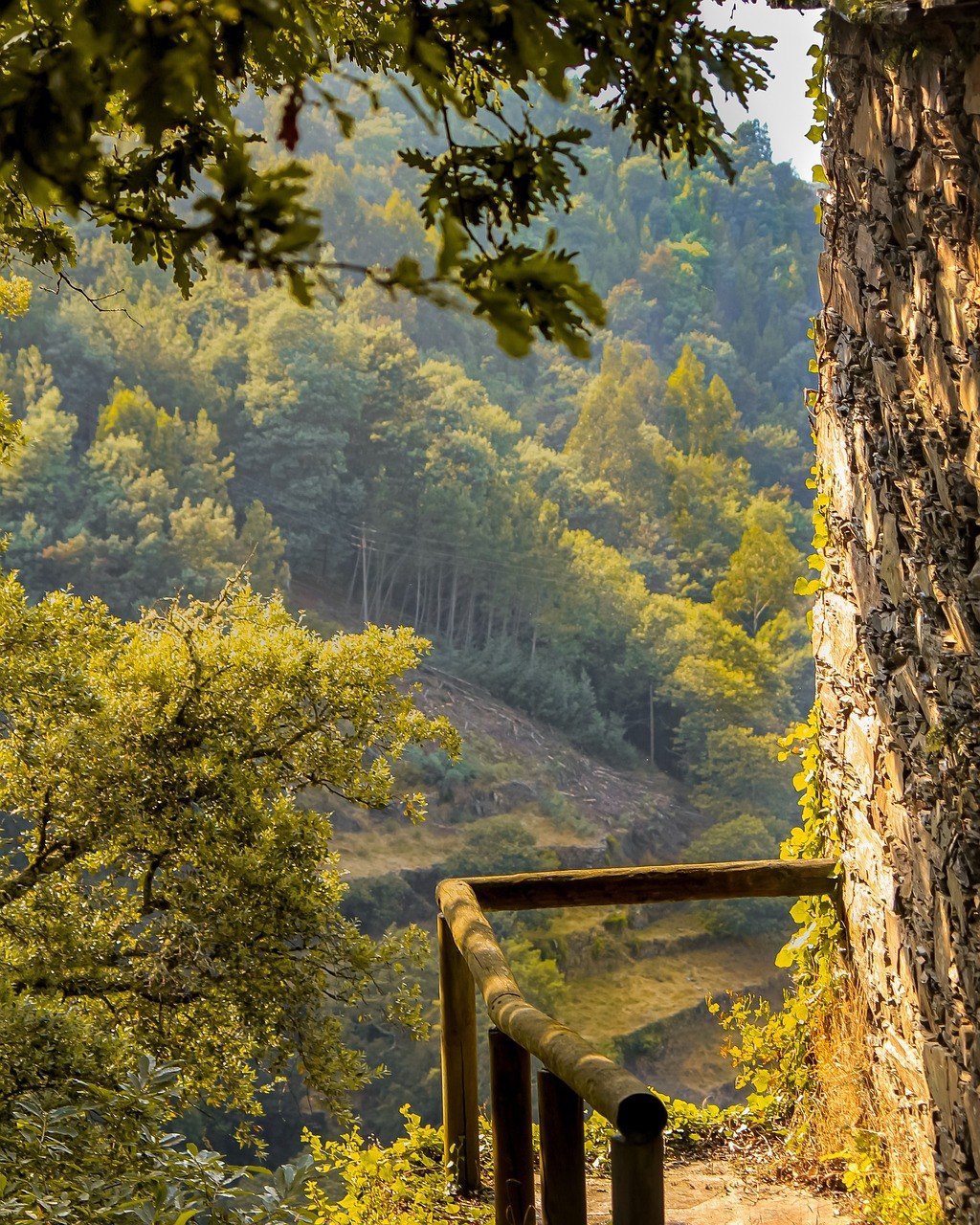
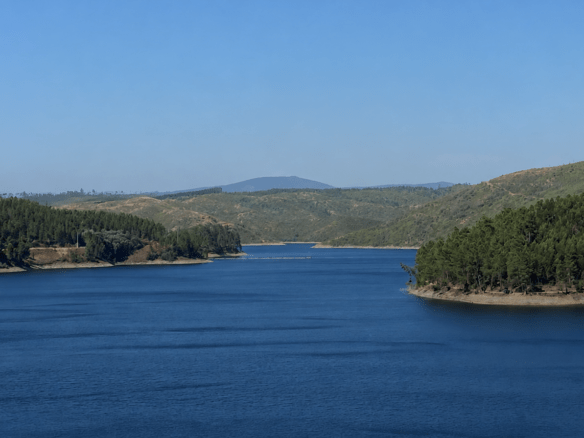
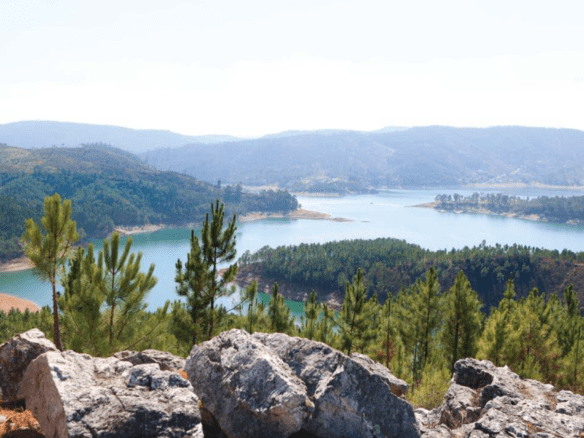
Central Portugal is still a relatively quiet spot on the European map for many – away from the well-known coastal regions, characterised by landscape, vastness, lakes, forests and a way of life less dictated by the pace of big cities. For architect Bertram Hipp, this region became a new centre of his life 15 years ago.
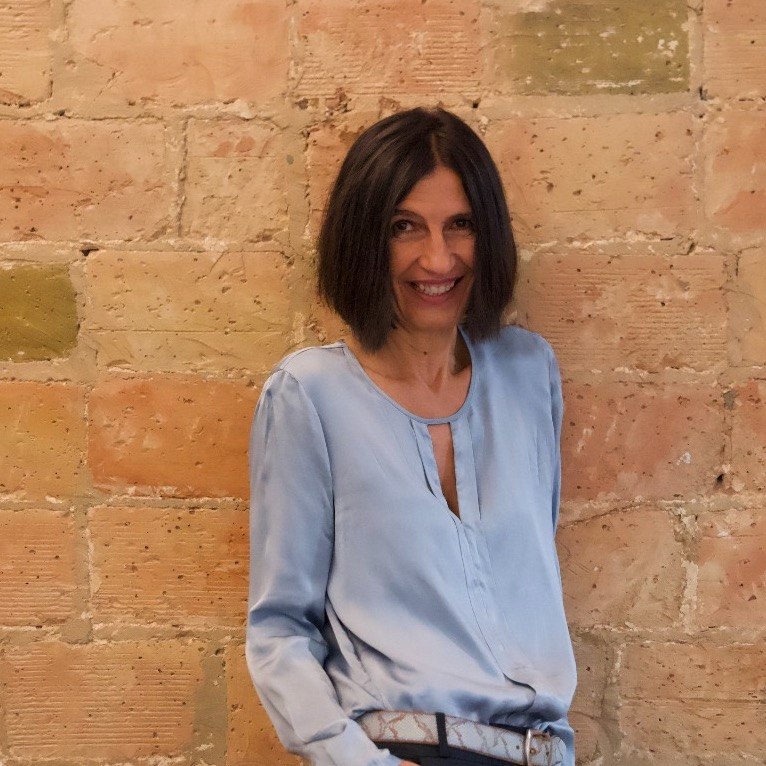
After many years living by Lake Zurich, he decided to leave Switzerland and start anew in central Portugal – not out of a strategic plan, but from a desire for a different rhythm. Today, he lives and works there as an architect, overseeing construction projects on-site, and has firsthand knowledge of local structures, materials, craftspeople, and authorities.
In conversation with Besthomez, Swiss engineer and architect Bertram Hipp explains why Central Portugal is more than just a retreat for him, what qualities building in the region offers, and why a life closer to nature doesn't need to be romanticised to be convincing. The discussion covers integration, reliability, building culture, costs, quality of life – and the question of what emerges when architecture is understood not just as design, but as the accompaniment to a new phase of life.
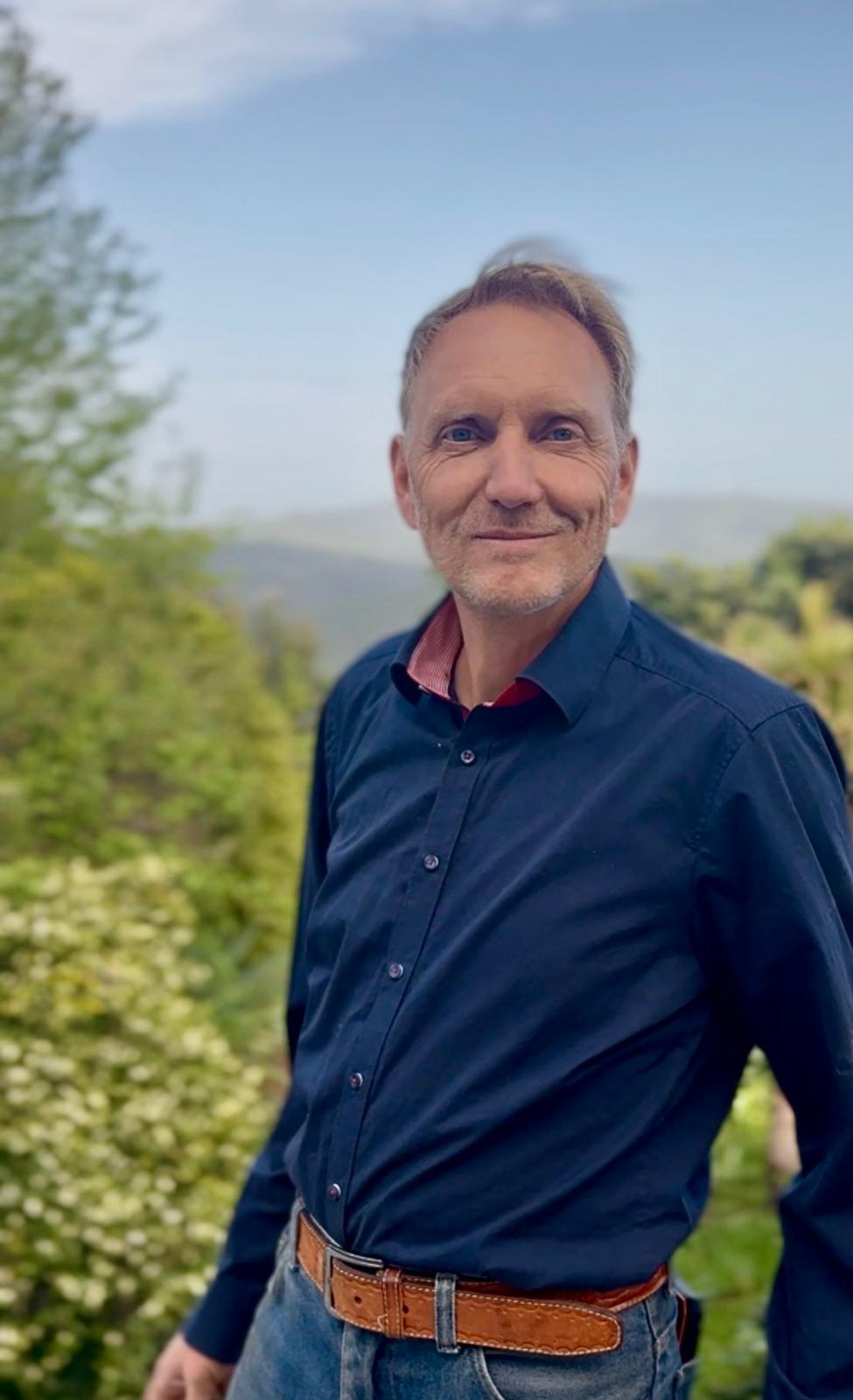
Interview with civil engineer/architect Bertram Hipp
What originally prompted you to leave Zurich and Switzerland behind and move to Central Portugal?
I lived by Lake Zurich for many years – a privileged situation, without a doubt. And yet, everyday life was characterised by pace, density, a certain permanent pressure: traffic jams on the roads, hustle and bustle, stress and annoyance. This not only affects one's health, but also relationships with family. Furthermore, you are surrounded by people who do not appear very happy.
Here in the South, in our rural surroundings, everyday life is less fragmented, less driven. This has a direct impact on one's health – both physical and mental. People seem significantly more content.
The move to central Portugal wasn't a strategic decision at first, but rather a search for a different centre of life. Work and its associated rhythm are no longer the focus. Proximity to nature and the palpable peace in interpersonal relationships create a different feeling for life. Today, after 15 years, I can say: It was the right decision.
I've also found joy in growing some of my own food. Being able to pick mandarins and oranges in the garden in the morning to make fresh juice from them is a quality of life that one can often only dream of in Switzerland. And your own vegetables simply taste better. These are simple things, but they have a significant impact on overall well-being.
You continue to work as a civil engineer here in Portugal and in this region. What characterises working on-site?
The work here is characterised by a special quality of collaboration. It is a great privilege to work with local craftsmen. People know each other and always find a consensual solution for emerging challenges.
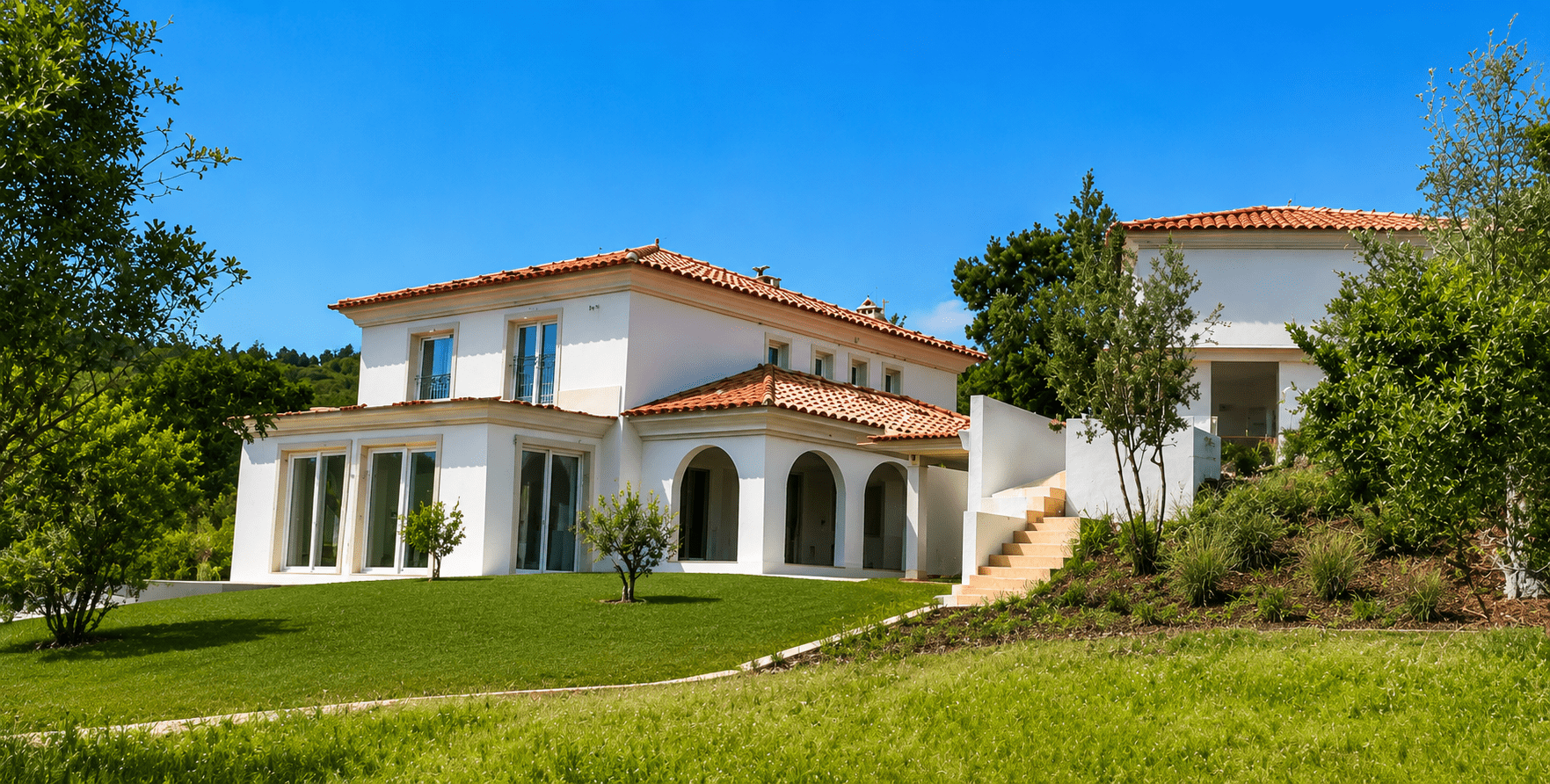
Both are possible here: you can follow the traditional construction method, with beautiful natural stone walls and local architecture. However, you can also build a modern and energy-efficient house, like those found in Switzerland. Or you can combine both.
The building regulations here are significantly simpler and are handled more leniently than in Switzerland. This allows for a lot of design freedom, and many foreigners have already been able to realise their ambitions here.
The quality of life is considered to be high – what about the costs, especially in construction?
The general conditions are significantly more accessible overall. Property prices are at a level that is remarkable compared to other European markets. Construction costs also remain manageable – for both materials and wages.
How was your experience living as a foreigner in Portugal?
I wouldn't call myself a foreigner anymore today. I took an intensive language course early on and consciously integrated myself. After six years of residency, there's the possibility to apply for Portuguese citizenship – I took that step.
Today I have a Portuguese passport, and I see this as a logical development. It's less a change of allegiance than a continuation of what has been built up over the years.
How do you experience the openness towards foreigners in your region?
Generally, foreigners are welcome here. The region is sparsely populated compared to the coastal towns, and this shapes how people interact. People are more open, direct – and also curious. New influences are not perceived as a disturbance, but often as enrichment.
At the same time, a certain economic reality naturally plays a role. People who come, invest, build and consume – that is seen and appreciated. Thus, a give and take emerges.
You also accompany projects on-site. How do you select your collaborations?
For me, the personal level is always the foundation. If the chemistry between the clients and me is right, then everything else follows almost naturally. Building design and implementation are a very close process – it only works if there is trust.
I understand my role less as a classic architect and more as a kind of companion. Especially for people new to the region, it's important to have someone by their side who knows and can contextualise the local structures.